

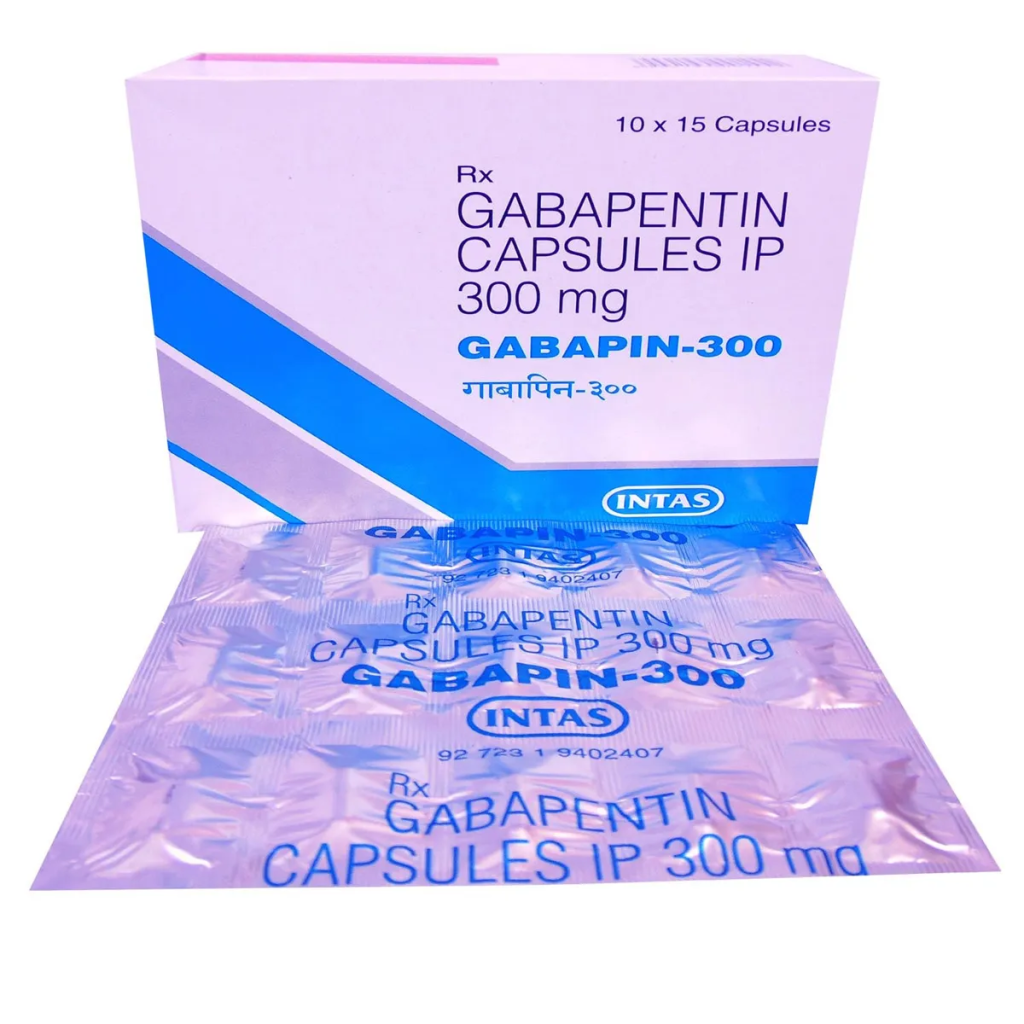
Neuropathic pain and seizure disorders affect millions of people worldwide, often requiring long-term medical management. One of the most commonly prescribed medications for these conditions is Gabapin 300, a formulation of gabapentin.
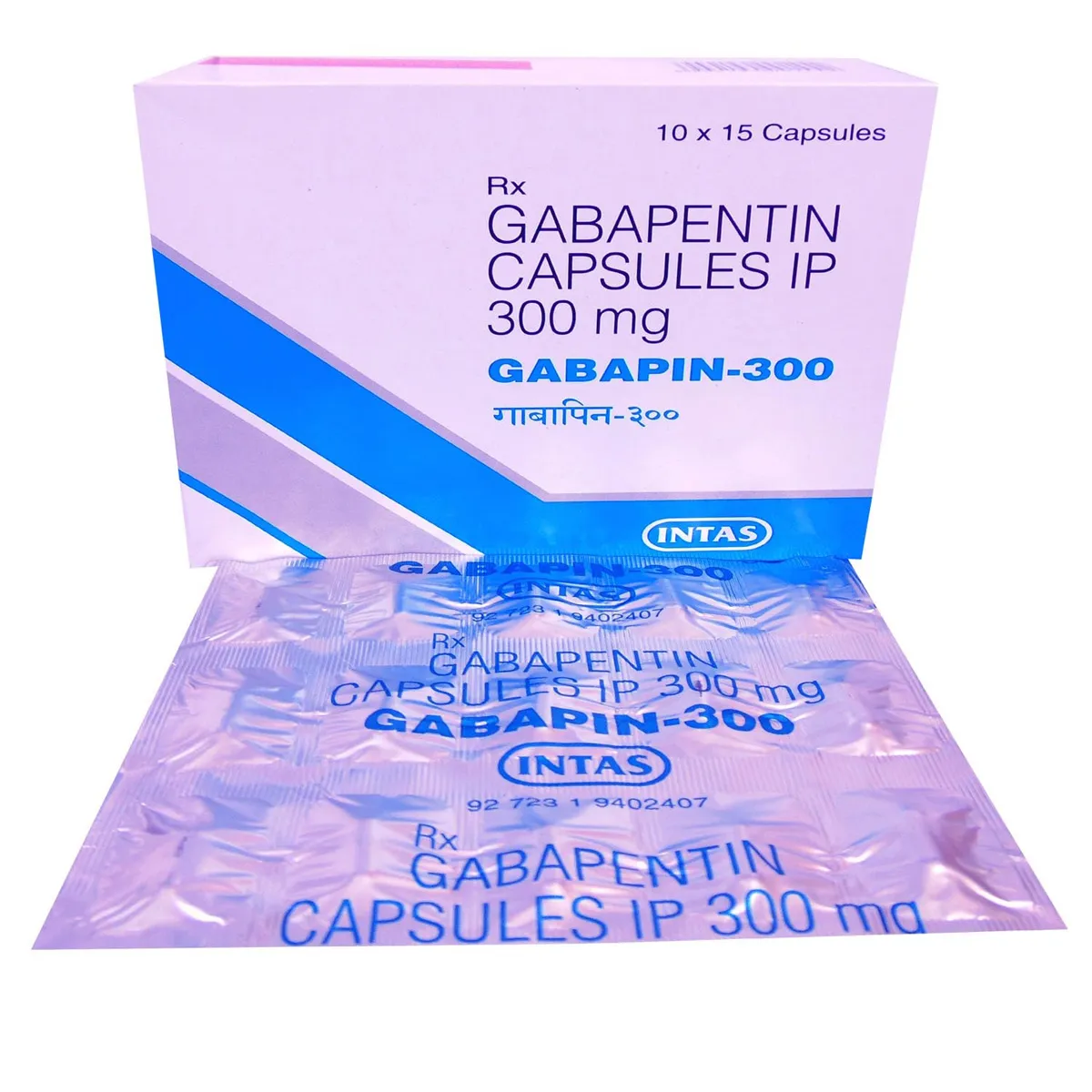
While Gabapin 300 can be highly effective when used correctly, it’s also a medicine that requires careful medical supervision due to possible side effects and interactions. This article provides an evidence-based, medically accurate overview of Gabapin 300 — including how it works, its approved uses, dosing guidance, potential risks, and who should avoid it.
All information presented here is drawn from reputable medical and regulatory sources such as the U.S. Food and Drug Administration (FDA), National Institutes of Health (NIH), National Health Service (NHS), and the Mayo Clinic.
What Is Gabapin 300?
Gabapin 300 is a brand of gabapentin, an anticonvulsant and neuropathic pain medication. Each capsule contains 300 mg of gabapentin as the active ingredient. It is produced by several pharmaceutical companies, commonly in India, and belongs to a class of medicines known as gamma-aminobutyric acid (GABA) analogs.
Gabapin 300 is primarily prescribed to:
- Control partial (focal) seizures in adults and children.
- Manage neuropathic pain caused by conditions like diabetes, shingles (postherpetic neuralgia), or spinal cord injury.
Although originally developed as an anti-seizure drug, gabapentin is now widely used for chronic nerve pain and certain off-label conditions such as restless legs syndrome (RLS) and fibromyalgia.
⚠️ Note: Gabapin 300 is a prescription-only medication. Self-medication can lead to serious complications including dizziness, sedation, and drug dependence.
How Gabapin 300 Works
1. Mechanism of Action
Gabapentin’s structure is similar to the neurotransmitter GABA (gamma-aminobutyric acid), but it does not bind to GABA receptors. Instead, gabapentin acts on voltage-gated calcium channels in the central nervous system (CNS).
By binding to the α2δ subunit of these channels, gabapentin reduces calcium influx into nerve cells, thereby diminishing the release of excitatory neurotransmitters such as glutamate, noradrenaline, and substance P.
This results in:
- Reduced nerve excitability (anti-seizure effect).
- Decreased transmission of pain signals (analgesic effect).
2. Pharmacokinetics
- Absorption: Oral; peak levels occur 2–3 hours after ingestion.
- Bioavailability: Approximately 60% at 300 mg (decreases at higher doses).
- Metabolism: Not significantly metabolized in the liver.
- Excretion: Eliminated unchanged via the kidneys.
- Half-life: Around 5–7 hours (longer in renal impairment).
Source: FDA Gabapentin Label
Approved Medical Uses
1. Partial (Focal) Seizures
Gabapin 300 is used as an adjunctive therapy for adults and children over 3 years old with partial-onset seizures, with or without secondary generalization. It helps stabilize abnormal electrical activity in the brain.
2. Neuropathic Pain
Gabapentin has proven efficacy in treating nerve-related pain, including:
- Postherpetic neuralgia (PHN): Pain following shingles.
- Diabetic neuropathy: Nerve pain from diabetes.
- Spinal cord injury-related neuropathy.
Reference: NIH – Gabapentin for Neuropathic Pain
Common Off-Label Uses
Gabapin is sometimes used (under strict medical supervision) for:
- Restless Legs Syndrome (RLS)
- Fibromyalgia
- Chronic anxiety or insomnia (off-label)
- Alcohol withdrawal symptoms (as adjunct therapy)
Always consult a doctor before using Gabapin for any unapproved indication.
Recommended Dosage and Administration
For Adults (Neuropathic Pain)
- Starting dose: 300 mg once daily on Day 1.
- Titration: Increase to 300 mg twice daily on Day 2, and 300 mg three times daily on Day 3.
- Maintenance dose: Typically 900–1800 mg/day in divided doses.
- Maximum dose: 3600 mg/day (in divided doses).
For Seizures
- Starting dose: 300 mg three times daily.
- Titration: May be increased based on clinical response.
- Maintenance: 900–1800 mg/day in divided doses.
Important Administration Guidelines
- Take the medicine with or without food.
- Swallow capsules whole with water.
- Maintain consistent dosing times each day.
- Do not stop suddenly; taper gradually to prevent withdrawal seizures.
Common Side Effects
Like most CNS-acting drugs, Gabapin 300 can cause mild to moderate side effects, especially at the start of treatment.
Mild to Moderate
- Drowsiness or sleepiness
- Dizziness or unsteadiness
- Fatigue
- Nausea or vomiting
- Weight gain
- Swelling in hands or feet (peripheral edema)
- Blurred or double vision
- Tremor
Serious or Rare
- Mood changes or depression
- Suicidal thoughts or self-harm ideation
- Allergic reactions (rash, itching, swelling)
- Difficulty breathing or swallowing
- Severe drowsiness or confusion (especially in elderly or renal impairment)
If any serious reaction occurs, contact your healthcare provider immediately.
Reference: FDA – Gabapentin Safety Information
Drug Interactions and Precautions
1. Drug Interactions
| Drug Type | Interaction | Clinical Effect |
|---|---|---|
| Opioids (e.g., morphine, hydrocodone) | Additive CNS depression | Increased drowsiness, respiratory risk |
| Antacids (aluminum/magnesium) | Reduces absorption | Take gabapentin 2 hours after antacids |
| Alcohol or sedatives | CNS depression | Impaired alertness, risk of overdose |
| Other anti-seizure drugs | Minimal interactions | Dose adjustments may be needed |
2. Medical Conditions to Disclose
Before taking Gabapin 300, inform your doctor if you have:
- Kidney disease (dose adjustment required).
- Depression or mental health disorders.
- History of substance misuse.
- Pregnancy or breastfeeding (use only if benefits outweigh risks).
Who Should Avoid Gabapin 300
Gabapin 300 may be unsuitable or risky for certain individuals.
| Group | Reason |
|---|---|
| Patients with severe renal impairment | Drug accumulation and toxicity |
| Pregnant or breastfeeding women | Limited human safety data |
| Elderly patients | Higher fall and confusion risk |
| History of depression or suicidal behavior | May worsen psychiatric symptoms |
| People using CNS depressants (opioids, benzodiazepines) | Risk of respiratory depression |
Always discuss your medical history and current medications before starting Gabapin.
Safety and Dependence Concerns
Although not a controlled substance in many countries, gabapentin misuse and dependence have been increasingly reported, especially when combined with opioids or alcohol.
Misuse Indicators
- Taking higher doses than prescribed.
- Using it for sedation or “euphoria.”
- Combining with other CNS depressants.
The FDA has issued warnings about gabapentin-associated respiratory depression when used with opioids. Doctors are advised to screen for misuse risk before prescribing.
Gabapin 300 vs. Other Gabapentin Brands
| Brand | Active Ingredient | Common Strengths | Manufacturer | Notes |
|---|---|---|---|---|
| Gabapin | Gabapentin | 100 mg, 300 mg, 400 mg | Sun Pharma / Intas / Centurion | Common Indian brand |
| Neurontin | Gabapentin | 100–800 mg | Pfizer | FDA-approved original brand |
| Gralise / Horizant | Gabapentin ER | Extended-release forms | U.S. approved | Different pharmacokinetics |
Therapeutic effects are similar, but only FDA-approved brands guarantee verified quality control.
Key Safety Tips for Patients
- Take Gabapin exactly as prescribed.
- Avoid driving or operating heavy machinery until you know your response.
- Do not stop suddenly — withdrawal can cause seizures, anxiety, and insomnia.
- Store at room temperature, away from moisture and children.
- Report any mood or behavior changes immediately.
Alternatives and Adjunctive Therapies
If Gabapin 300 is ineffective or poorly tolerated, other options may include:
1. Pharmacological Alternatives
- Pregabalin (Lyrica®) – newer GABA analog with faster onset.
- Duloxetine (Cymbalta®) – SNRI used for diabetic neuropathy.
- Amitriptyline – tricyclic antidepressant with pain-modulating properties.
2. Non-Drug Options
- Physical therapy and gentle exercise.
- Cognitive-behavioral therapy (CBT) for pain coping.
- Meditation and stress reduction techniques.
Reference: NIH – Alternatives for Neuropathic Pain
Summary of Key Takeaways
- Gabapin 300 (gabapentin 300 mg) is prescribed for neuropathic pain and seizures.
- It works by modulating calcium channels to reduce nerve excitability.
- Common side effects: dizziness, fatigue, weight gain, edema.
- Serious risks: mood changes, misuse, respiratory depression with opioids.
- Requires gradual dose titration and medical monitoring.
- Avoid self-medication and always follow your doctor’s instructions.
Frequently Asked Questions (FAQ)
1. Is Gabapin 300 the same as Neurontin?
Yes. Both contain gabapentin, though Neurontin is the FDA-approved brand, while Gabapin is a generic version commonly manufactured in India.
2. How long does Gabapin 300 take to work?
Pain relief may begin within one week, but full effects typically take 2–4 weeks of consistent use.
3. Can Gabapin 300 cause weight gain?
Yes. Increased appetite and mild weight gain are possible due to altered metabolism and reduced activity.
4. Can I drink alcohol while taking Gabapin?
No. Alcohol increases drowsiness and the risk of respiratory depression.
5. Can I stop Gabapin suddenly?
No. Abrupt discontinuation can cause withdrawal symptoms or seizures. Taper gradually under medical supervision.
6. Is Gabapin addictive?
Physically, gabapentin does not cause classic addiction, but misuse can occur, especially in people with a history of substance abuse.
7. Can pregnant women take Gabapin 300?
Use only if prescribed — animal studies show fetal risk, and human data are limited.
Final Word
Gabapin 300 can significantly improve the lives of people suffering from neuropathic pain and seizure disorders — when used safely and responsibly. Understanding how it works, adhering to prescribed doses, and recognizing potential side effects are essential for optimal treatment outcomes.
Always use Gabapin 300 under the supervision of a licensed healthcare provider, and never share your medication with others.
References:
- FDA – Gabapentin Label
- NIH – Gabapentin Clinical Studies
- NHS – Gabapentin Overview
- Mayo Clinic – Gabapentin Oral Route
Disclaimer: This article is for educational purposes only and is not medical advice. Consult a qualified healthcare professional before starting, changing, or discontinuing any medication.

Gabapin (generic name: Gabapentin) is a medication primarily used to treat nerve pain and seizures. Here’s a brief description:
- Class: Gabapin belongs to the class of medications known as anticonvulsants or antiepileptic drugs.
- Indications: It is commonly prescribed for neuropathic pain (nerve pain), postherpetic neuralgia, and as an adjunct therapy for partial seizures in adults and children.
- Mechanism of Action: Gabapentin works by inhibiting certain types of calcium channels in the nervous system, which helps to stabilize electrical activity in the brain and reduce pain signals.
- Forms: Available in oral capsule, tablet, and liquid form, allowing for flexible dosing options.
- Dosage: The dosage of Gabapin varies depending on the condition being treated, typically starting low and gradually increasing to minimize side effects.
- Side Effects: Common side effects include dizziness, fatigue, drowsiness, and swelling in the extremities.
- Warnings: Caution is advised when discontinuing the medication abruptly, as this can lead to withdrawal symptoms or increased seizure frequency.
- Pregnancy: Gabapentin is classified as a pregnancy category C drug, meaning it should be used during pregnancy only if the potential benefit justifies the risk.
- Drug Interactions: Gabapin may interact with other medications, so it’s essential to inform healthcare providers of all concurrent medications.
- Monitoring: Regular follow-up appointments may be necessary to monitor effectiveness and adjust dosage as needed.
If you need more detailed information or specific aspects of Gabapin, feel free to ask!