




img img
img
img

Skin Care

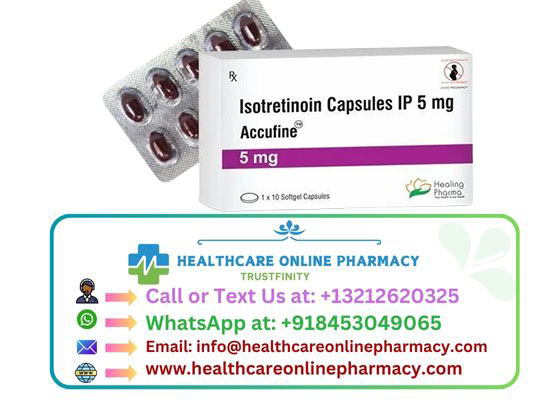
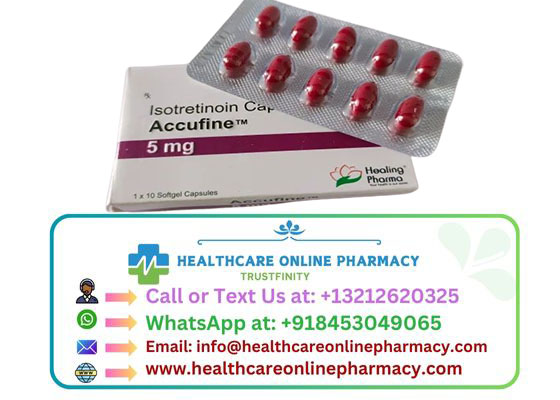
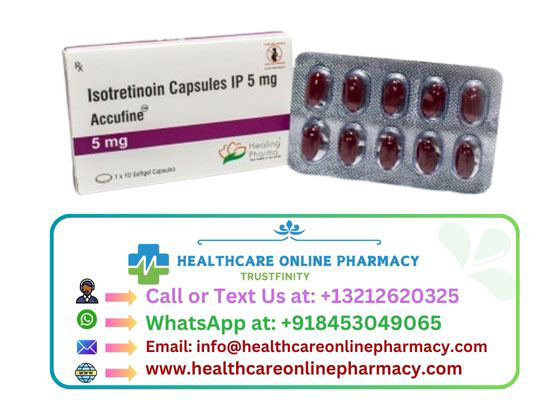
ACCUFINE 5mg

Composition:
ISOTRETINOIN 5MG
Dosage:
5MG
Manufacturer Name:
HEALING PHARMA INDIA PVT LTD
Category
Skin Care
Tab/Inj/Jelly:
Tab
Commonly Known As:

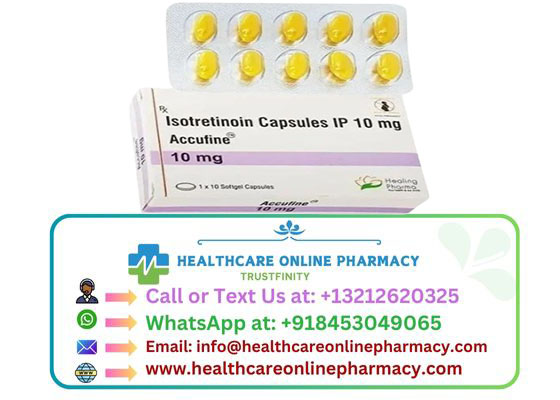
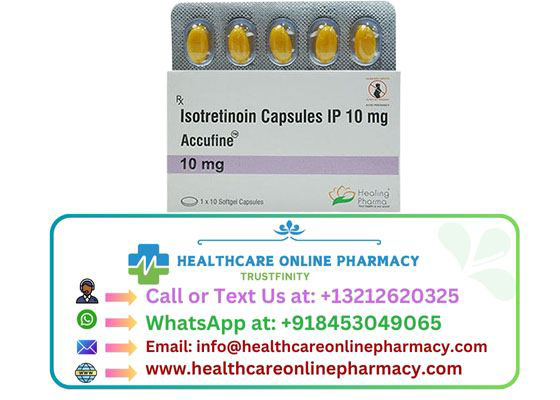
ACCUFINE 10MG

Composition:
ISOTRETINOIN 10MG
Dosage:
10MG
Manufacturer Name:
HEALING PHARMA INDIA PVT LTD
Category
Skin Care
Tab/Inj/Jelly:
Jelly
Commonly Known As:

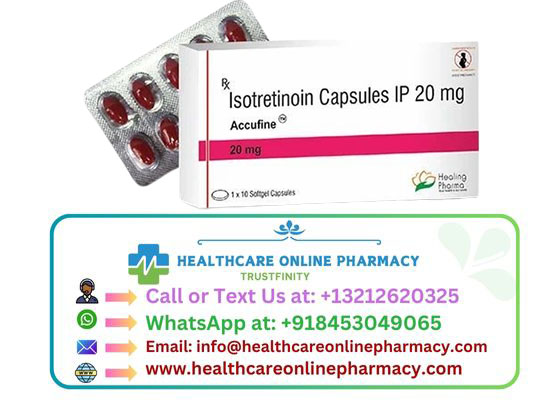
ACCUFINE 20MG

Composition:
ISOTRETINOIN 20MG
Dosage:
20MG
Manufacturer Name:
HEALING PHARMA INDIA PVT LTD
Category
Skin Care
Tab/Inj/Jelly:
Tab
Commonly Known As:

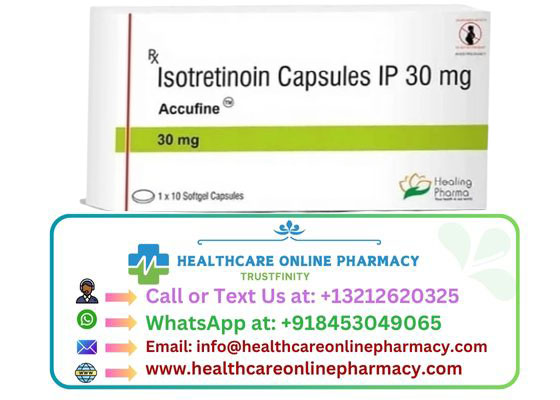
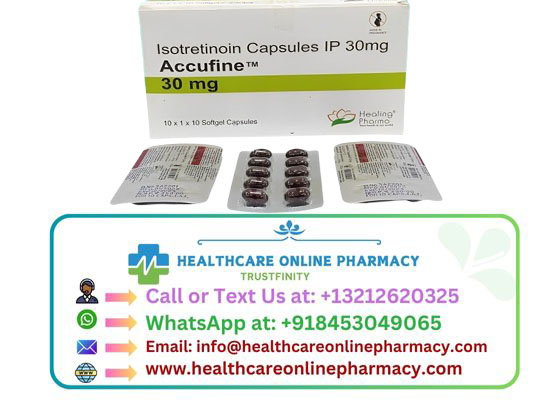
ACCUFINE 30MG

Composition:
ISOTRETINOIN 30MG
Dosage:
30MG
Manufacturer Name:
HEALING PHARMA INDIA PVT LTD
Category
Skin Care
Tab/Inj/Jelly:
Tab
Commonly Known As:

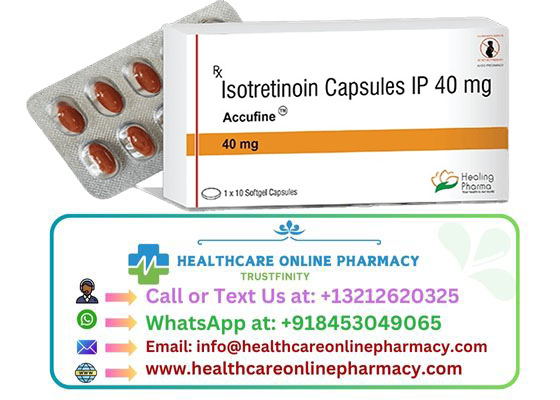
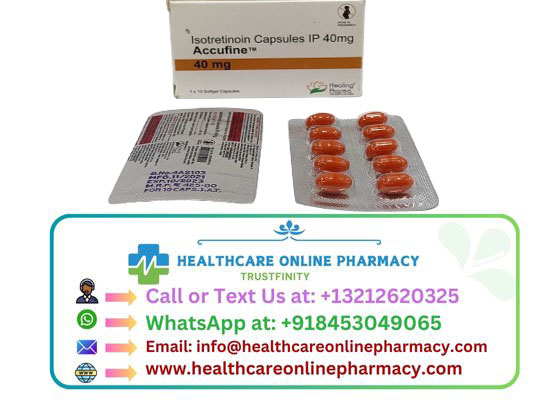
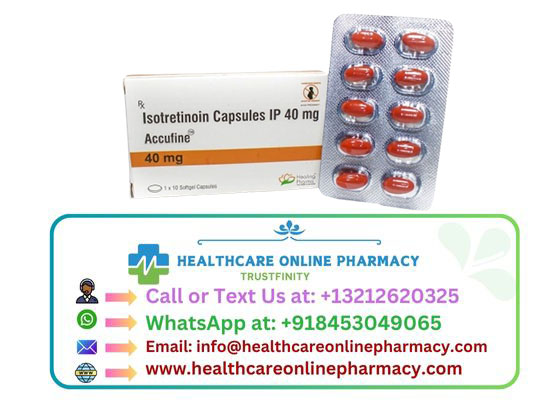
ACCUFINE 40MG

Composition:
ISOTRETINOIN 40MG
Dosage:
40MG
Manufacturer Name:
HEALING PHARMA INDIA PVT LTD
Category
Skin Care
Tab/Inj/Jelly:
Tab
Commonly Known As:
QuantityStrengthNew CustomerOld CustomerFree ShippingAdd to Cart
PriceUnitePriceUnite
30 Pills 5mg55.8751.8650.28751.68
60 Pills 5mg78.751.3170.8751.18
100 Pills 5mg111.251.11100.1251.00
200 Pills 5mg197.50.99177.750.89

Free Shipping

300 Pills 5mg258.750.86232.8750.78

Free Shipping

500 Pills 5mg368.750.74331.8750.66

Free Shipping

1000 Pills 5mg612.50.61551.250.55

Free Shipping

2000 Pills 5mg9750.49877.50.44

Free Shipping

QuantityStrengthNew CustomerOld CustomerFree ShippingAdd to Cart
PriceUnitePriceUnite
28 Sachets 10MG59.152.1153.2351.90
42 Sachets 10MG72.9751.7465.67751.56
70 Sachets 10MG112.8751.61101.58751.45
105 Sachets 10MG143.06251.36128.756251.23
140 Sachets 10MG190.751.36171.6751.23

Free Shipping

210 Sachets 10MG262.51.25236.251.13

Free Shipping

350 Sachets 10MG389.3751.11350.43751.00

Free Shipping

700 Sachets 10MG691.250.99622.1250.89

Free Shipping

QuantityStrengthNew CustomerOld CustomerFree ShippingAdd to Cart
PriceUnitePriceUnite
30 Pills 20MG67.1252.2460.41252.01
60 Pills 20MG104.251.7493.8251.56
100 Pills 20MG136.251.36122.6251.23
200 Pills 20MG247.51.24222.751.11

Free Shipping

300 Pills 20MG333.751.11300.3751.00

Free Shipping

500 Pills 20MG493.750.99444.3750.89

Free Shipping

1000 Pills 20MG862.50.86776.250.78

Free Shipping

2000 Pills 20MG14750.741327.50.66

Free Shipping

QuantityStrengthNew CustomerOld CustomerFree ShippingAdd to Cart
PriceUnitePriceUnite
30 Pills 30MG70.8752.3663.78752.13
60 Pills 30MG111.751.86100.5751.68
100 Pills 30MG148.751.49133.8751.34
200 Pills 30MG272.51.36245.251.23

Free Shipping

300 Pills 30MG371.251.24334.1251.11

Free Shipping

500 Pills 30MG556.251.11500.6251.00

Free Shipping

1000 Pills 30MG987.50.99888.750.89

Free Shipping

2000 Pills 30MG17250.861552.50.78

Free Shipping

QuantityStrengthNew CustomerOld CustomerFree ShippingAdd to Cart
PriceUnitePriceUnite
30 Pills 40MG74.6252.4967.16252.24
60 Pills 40MG119.251.99107.3251.79
100 Pills 40MG161.251.61145.1251.45
200 Pills 40MG297.51.49267.751.34

Free Shipping

300 Pills 40MG408.751.36367.8751.23

Free Shipping

500 Pills 40MG618.751.24556.8751.11

Free Shipping

1000 Pills 40MG1112.51.111001.251.00

Free Shipping

2000 Pills 40MG19750.991777.50.89

Free Shipping

Accufine is a pharmaceutical formulation containing Isotretinoin, a potent retinoid derived from Vitamin A. It is primarily prescribed for the treatment of severe nodular acne that has not responded to other therapies, including antibiotics. Isotretinoin works by reducing sebaceous gland size and sebum production, thereby decreasing the growth of acne-causing bacteria and inflammation.

Indications and Uses of Accufine 

Accufine 20mg, containing Isotretinoin, is a powerful medication primarily used in dermatology for the treatment of severe acne. Its uses extend beyond simple acne management due to its multi-faceted mechanism of action on the skin, sebaceous glands, and inflammation.

1. Severe Nodular or Cystic Acne

The primary indication for Accufine is severe nodular or cystic acne, which is characterized by:

  • Large, inflamed nodules beneath the skin surface.
  • Deep, painful cysts that can lead to scarring.
  • Acne unresponsive to conventional therapies such as topical antibiotics, benzoyl peroxide, or oral antibiotics.

Accufine reduces the size and activity of sebaceous glands, lowers sebum production, and prevents clogged pores, making it highly effective in treating severe acne and preventing permanent scarring.


2. Acne Vulgaris Resistant to Other Treatments

Accufine is often prescribed for moderate acne that has not responded adequately to standard therapies, including:

  • Topical retinoids (e.g., tretinoin, adapalene)
  • Oral antibiotics (e.g., doxycycline, minocycline)
  • Combination therapies (benzoyl peroxide with antibiotics)

In these cases, Accufine is considered a second-line or definitive therapy because of its higher efficacy in reducing acne lesions and long-term relapse prevention.


3. Prevention of Acne Scarring

One of the most important uses of Accufine is its ability to prevent permanent acne scars. Severe inflammatory acne can damage the dermis, leading to:

  • Ice-pick scars
  • Boxcar scars
  • Hypertrophic or keloid scars

By reducing inflammation, controlling sebum production, and promoting proper skin turnover, Accufine minimizes the likelihood of scar formation.


4. Off-label Uses (Under Strict Supervision)

While Accufine is primarily prescribed for acne, it may occasionally be used off-label for other dermatological conditions such as:

  • Severe rosacea
  • Seborrheic dermatitis resistant to standard therapy
  • Hyperkeratotic skin disorders (rare cases)

These off-label uses are strictly supervised by a dermatologist due to the potency of isotretinoin and its risk profile.

Mechanism of Action of Accufine 20mg

Accufine 20mg, containing Isotretinoin, is a systemic retinoid derived from Vitamin A. Its efficacy in treating severe acne is due to its multi-targeted action on the skin, sebaceous glands, and inflammatory pathways. Unlike topical treatments that only act locally, Accufine works at the cellular and molecular level, addressing the root causes of acne.


1. Reduction of Sebum Production

One of the primary mechanisms of Accufine is the reduction of sebum (skin oil) production:

  • Isotretinoin acts on the sebaceous glands, causing them to shrink in size.
  • Smaller sebaceous glands produce less sebum, which reduces the oily environment in which acne-causing bacteria (Cutibacterium acnes) thrive.
  • This effect is both quantitative (less sebum) and qualitative (changes the composition of sebum, making it less prone to clogging pores).

This reduction in sebum is central to its long-term effectiveness and explains why Accufine often leads to sustained remission of acne even after treatment ends.


2. Normalization of Follicular Keratinization

Acne often develops due to abnormal keratinization, where dead skin cells accumulate inside hair follicles, forming comedones (blackheads and whiteheads).

  • Isotretinoin normalizes the shedding process of keratinocytes in the follicles.
  • This prevents follicular plugging, which is the first step in acne formation.
  • By addressing this early stage of acne development, Accufine reduces the formation of new acne lesions.

3. Anti-inflammatory Effects

Inflammation plays a major role in acne progression. Accufine reduces inflammation by:

  • Modulating immune responses within the skin.
  • Reducing pro-inflammatory cytokines and mediators that cause redness and swelling.
  • Limiting the inflammatory cascade triggered by Cutibacterium acnes.

This action helps decrease painful, inflamed nodules and cysts and improves the overall skin appearance.


4. Antibacterial Effects

Although Accufine is not an antibiotic, it indirectly reduces bacterial proliferation:

  • By reducing sebum, it limits the growth environment for Cutibacterium acnes.
  • This leads to a decrease in bacterial colonization, reducing the risk of infection and inflammation.

5. Effects on Skin Remodeling

  • Isotretinoin influences the extracellular matrix in the dermis, helping to prevent scarring from severe acne.
  • It promotes proper wound healing and reduces the risk of long-term skin damage.

6. Summary of Mechanisms

In simple terms, Accufine works on four main fronts:

  1. Decreases sebum production → less oily skin, fewer bacteria.
  2. Normalizes skin cell turnover → prevents clogged pores.
  3. Reduces inflammation → less redness, swelling, and pain.
  4. Indirectly reduces bacterial growth → lower risk of infection and pustules.

These combined effects make Accufine a powerful systemic treatment for severe acne, targeting the root causes rather than just the symptoms.


Dosage and Administration of Accufine 20mg

Accufine 20mg, containing Isotretinoin, is a potent oral retinoid used for the treatment of severe acne. Because of its strong effects and potential side effects, dosing must be carefully individualized based on the patient’s body weight, severity of acne, age, and tolerability. Strict adherence to dosage and administration guidelines is essential for both efficacy and safety.


1. Standard Adult Dosage

  • Initial Dose: Typically 0.5 mg/kg/day.
  • Target Dose: Up to 1 mg/kg/day depending on the severity of acne and patient tolerance.
  • Example Calculation:
    • A patient weighing 60 kg:
      • Initial: 30 mg/day (1.5 capsules of 20 mg)
      • Maximum: 60 mg/day (3 capsules of 20 mg)
  • Duration of Treatment: Usually 15–20 weeks, but may vary depending on clinical response. Long-term treatment may be divided into courses if necessary.
  • Administration:
    • Take orally with meals to improve absorption.
    • Swallow capsules whole; do not crush or chew.
    • Preferably taken at the same time each day for consistent blood levels.

2. Pediatric Dosage

  • Age Considerations: Accufine is generally not recommended for children under 12 years without specialist supervision.
  • Weight-Based Dosing: Similar to adults, 0.5–1 mg/kg/day, adjusted carefully for body weight.
  • Monitoring: Children require more frequent follow-up, particularly for side effects like dryness, mood changes, and laboratory abnormalities.

3. Special Populations

Elderly Patients:

  • More susceptible to side effects (dry skin, joint pain, liver enzyme elevation).
  • Often start at the lower end of the dosing range and titrate slowly.

Renal or Hepatic Impairment:

  • Dose adjustments may be necessary.
  • Liver function tests should be monitored regularly.

Pregnant or Breastfeeding Women:

  • Contraindicated due to high teratogenic risk. Strict contraception is mandatory for women of childbearing age during and for at least one month after treatment.

4. Dosing Schedule and Administration Tips

Patient Type Daily Dose Frequency Duration Administration Tips
Adult 0.5–1 mg/kg/day Once or divided twice daily 15–20 weeks Take with food, swallow whole
Children (>12 yrs) 0.5–1 mg/kg/day Once or divided 15–20 weeks Weight-adjusted, monitored closely
Elderly 0.25–0.5 mg/kg/day Once daily 15–20 weeks Start low, titrate slowly, monitor side effects
Renal/Hepatic Impairment 0.25–0.5 mg/kg/day Once daily As prescribed Regular liver function and renal monitoring

5. Missed Dose Instructions

  • If a dose is missed, take it as soon as remembered unless it is close to the next scheduled dose.
  • Do not double the dose to make up for a missed one.
  • Maintaining consistent daily dosing ensures optimal blood levels and therapeutic efficacy.

6. Importance of Compliance

  • Adherence to prescribed dosage is crucial to maximize efficacy and reduce relapse.
  • Premature discontinuation may result in recurrence of acne.
  • Patients should also follow lifestyle and skin care recommendations provided by their dermatologist.

Proper dosage and administration of Accufine 20mg are essential for safe and effective treatment of severe acne. Key points include:

  • Weight-based dosing (0.5–1 mg/kg/day)
  • Administration with food
  • Strict monitoring for side effects
  • Avoiding use in pregnancy and adjusting for special populations

Side Effects

CAccufine 20mg, containing Isotretinoin, is a potent systemic retinoid that can produce a range of side effects due to its widespread action on skin, mucous membranes, liver, lipids, and other body systems. Understanding these effects is crucial for safe and effective use. Side effects can be common, less common, or serious, and often require monitoring or medical intervention.


1. Common Side Effects

These are mild to moderate effects that occur frequently and usually resolve with time or supportive care:

  • Mucocutaneous Effects:
    • Dryness of lips (cheilitis)
    • Dry skin and flaking
    • Dry eyes and irritation
    • Nosebleeds (epistaxis) due to dryness of nasal mucosa
  • Musculoskeletal Effects:
    • Mild joint or muscle pain
    • Temporary stiffness or soreness, especially after exercise
  • Neurological Effects:
    • Headache
    • Mild dizziness
  • Gastrointestinal Effects:
    • Nausea or mild abdominal discomfort
    • Occasional diarrhea

Management Tips:

  • Use moisturizers and lip balms regularly
  • Hydrate well and avoid harsh soaps
  • Mild analgesics may relieve joint or muscle discomfort

2. Less Common Side Effects

These occur in a smaller percentage of patients but should be monitored:

  • Skin Reactions:
    • Rash or itching
    • Photosensitivity leading to sunburn
    • Temporary hair thinning (diffuse alopecia)
  • Vision Changes:
    • Blurred vision
    • Difficulty seeing at night
    • Increased sensitivity to light
  • Neurological or Mood Effects:
    • Irritability or mood swings
    • Rare cases of mild depression
  • Gastrointestinal Effects:
    • Abdominal pain or cramping
    • Changes in appetite

Management Tips:

  • Use sunscreen and protective clothing outdoors
  • Report persistent or severe vision changes to a doctor
  • Monitor mood changes and seek help if symptoms worsen

3. Serious Side Effects

Though rare, these can be life-threatening and require immediate medical attention:

  • Hepatic Effects:
    • Elevated liver enzymes
    • Jaundice (yellowing of eyes or skin)
  • Lipid Abnormalities:
    • Hypertriglyceridemia
    • Elevated cholesterol
    • Risk of pancreatitis in severe cases
  • Psychiatric Effects:
    • Severe depression
    • Suicidal ideation
    • Aggression or severe mood swings
  • Gastrointestinal Complications:
    • Severe abdominal pain (possible pancreatitis or inflammatory bowel issues)
  • Musculoskeletal Complications:
    • Bone pain or premature epiphyseal closure in children
    • Tendon inflammation or rupture (rare)
  • Allergic Reactions:
    • Rash, itching, or swelling
    • Difficulty breathing or anaphylaxis (very rare)

Monitoring and Prevention:

  • Conduct regular liver function tests, lipid profiles, and complete blood counts during treatment.
  • Monitor mood and mental health, especially in patients with a history of depression.
  • Avoid high-fat diets or alcohol to reduce liver and lipid strain.

4. Laboratory Abnormalities

Patients taking Accufine may develop changes detectable in blood tests, including:

  • Elevated liver enzymes (ALT, AST)
  • Increased triglycerides and cholesterol
  • Mild anemia or changes in white blood cell counts

Recommendation: Regular blood work is essential to detect these early and prevent complications.


5. Duration and Reversibility

  • Most common side effects (dryness, mild joint pain) are reversible after discontinuing the medication.
  • Serious effects like liver or psychiatric complications may persist if not addressed promptly.
  • Regular follow-up ensures side effects are managed early, minimizing risk.

Accufine 20mg is highly effective but comes with a range of side effects. Understanding the spectrum—from common dryness and irritation to rare but serious complications—is crucial for:

  • Patient safety
  • Optimal treatment outcomes
  • Timely intervention when complications arise

Key Takeaway: Patients must be monitored regularly, adhere to follow-up schedules, and report any unusual or severe symptoms immediately.blood tests is essential during treatment.


Precautions and Contraindications

Contraindications:

  • Pregnancy: Isotretinoin is teratogenic and must not be used during pregnancy or by women planning to conceive.
  • Lactation: Should not be used during breastfeeding.
  • Hypersensitivity: Contraindicated in patients with known hypersensitivity to isotretinoin or any component of the formulation.

Precautions:

  • Liver Function: Monitor liver enzymes regularly.
  • Lipid Profile: Check cholesterol and triglyceride levels.
  • Bone Health: Assess for signs of bone pain or stiffness.
  • Psychiatric Health: Monitor for mood changes or signs of depression.

7. Warnings

  • Sun Sensitivity: Increased risk of sunburn; advise patients to use sunscreen and protective clothing.
  • Cosmetic Procedures: Avoid waxing, laser treatments, or dermabrasion during and for at least 6 months after treatment.
  • Blood Donation: Do not donate blood during treatment and for at least 1 month after discontinuation.
  • Driving: May impair night vision; caution when driving at night.

Drug Interactions of Accufine 20mg

Accufine 20mg, containing Isotretinoin, is a potent systemic retinoid. Because of its effects on the liver, lipids, and central nervous system, it can interact with several other medications, supplements, and substances. Understanding these interactions is critical to avoid serious side effects and ensure safe treatment.


1. Interaction with Antibiotics

  • Tetracyclines (e.g., Doxycycline, Minocycline):
    • Concurrent use with isotretinoin can increase the risk of benign intracranial hypertension (pseudotumor cerebri).
    • Symptoms include headache, nausea, vomiting, and visual disturbances.
    • Recommendation: Avoid combination therapy. If necessary, monitor closely with a healthcare professional.
  • Other Antibiotics:
    • While other antibiotics (like penicillins) are generally safe, always consult a doctor to avoid unforeseen interactions.

2. Interaction with Vitamin A and Retinoids

  • High-Dose Vitamin A Supplements:
    • Isotretinoin is a derivative of vitamin A; taking additional high-dose supplements may lead to hypervitaminosis A, causing liver toxicity, headache, nausea, and bone pain.
    • Recommendation: Avoid vitamin A supplementation during treatment.
  • Other Retinoids (Topical or Oral):
    • Combining with other retinoids can increase the risk of skin irritation, dryness, and toxicity.

3. Interaction with Blood Lipid-Modifying Drugs

  • Fibrates or Statins:
    • Since isotretinoin can increase cholesterol and triglyceride levels, concurrent use with lipid-lowering medications may require careful monitoring.
    • Blood tests should be conducted regularly to adjust doses as needed.

4. Interaction with Corticosteroids

  • Systemic Corticosteroids (e.g., Prednisone):
    • Both corticosteroids and isotretinoin can increase the risk of bone demineralization, especially with long-term use.
    • Recommendation: Avoid long-term concurrent use unless prescribed and monitored by a doctor.

5. Interaction with Antidepressants or Mood-Altering Drugs

  • SSRIs, SNRIs, or Other Psychiatric Medications:
    • Isotretinoin has been associated with mood changes, depression, or suicidal ideation.
    • Concurrent use with psychiatric medications requires close monitoring for behavioral changes.

6. Alcohol Interaction

  • Alcohol:
    • Increases the risk of liver toxicity and triglyceride elevation, both of which are side effects of isotretinoin.
    • Excessive alcohol consumption should be strictly avoided during treatment.

7. Interaction with Hormonal Contraceptives

  • Oral Contraceptives:
    • No direct negative interaction with isotretinoin, but strict adherence is essential because isotretinoin is highly teratogenic.
    • Two forms of birth control are recommended for female patients of childbearing potential.

Monitoring and Recommendations

  • Regular Blood Tests:
    • Liver function, lipid profile, and triglycerides should be monitored when taking interacting drugs.
  • Avoid Self-Medication:
    • Patients should inform their doctor about all medications and supplements before starting Accufine.
  • Report Symptoms:
    • Headache, visual changes, or severe gastrointestinal symptoms may indicate dangerous interactions.

Monitoring and Follow-up

Regular follow-up visits are crucial to assess treatment efficacy and monitor for adverse effects:

  • Baseline Assessments: Liver function tests, lipid profile, pregnancy test (for females of childbearing potential).
  • During Treatment: Monthly monitoring of liver enzymes and lipid levels.
  • Post-Treatment: Assess for any persistent side effects and evaluate the need for further treatment.

Patient Education

Educate patients on:

  • Proper Use: Take capsules with food; do not chew or crush.
  • Hydration: Maintain adequate fluid intake to prevent dehydration.
  • Skin Care: Use moisturizers and lip balms to alleviate dryness.
  • Sun Protection: Apply sunscreen and avoid prolonged sun exposure.

Special Populations

  • Pediatrics: Use with caution in children; dosing should be based on body weight.
  • Geriatrics: Elderly patients may be more sensitive to side effects; initiate at lower doses.
  • Renal Impairment: Dose adjustments may be necessary; monitor renal function closely.

Overdose Management

In case of overdose:

  • Immediate Action: Seek emergency medical attention.
  • Symptoms: May include nausea, vomiting, headache, and dizziness.
  • Treatment: Supportive care; no specific antidote available.

    Conclusion

    Accufine 20mg (Isotretinoin) is an effective treatment for severe acne, offering long-term remission for many patients. However, due to its potential for serious side effects, it should be prescribed and monitored by healthcare professionals experienced in its use. Patient education and regular follow-up are essential components of successful therapy. For More

  • Accufine, which contains Isotretinoin, is widely regarded as one of the most effective oral medications for severe and treatment-resistant acne. While it has several precautions and potential side effects, its advantages are significant, especially for patients who have not responded to conventional therapies.


    1. High Efficacy in Severe Acne

    • Accufine is often referred to as a “definitive treatment” for severe nodular and cystic acne.

    • Unlike antibiotics or topical agents, it targets all major acne-causing factors, including:

      • Excess sebum production

      • Abnormal keratinization (clogged pores)

      • Overgrowth of Cutibacterium acnes

      • Inflammation

    • This makes it one of the most comprehensive and effective acne treatments available.


    2. Long-Term Remission and Cure Potential

    • One of the biggest advantages of Accufine is its ability to induce long-term or permanent remission.

    • Many patients experience lasting improvement even after completing the treatment course.

    • This reduces the need for lifelong acne management, unlike other therapies where relapse is common.


    3. Prevents Scarring

    • Severe inflammatory acne often leads to permanent scars, which can affect self-esteem and quality of life.

    • By controlling inflammation and preventing deep cyst formation, Accufine reduces the likelihood of acne scarring.

    • Early treatment with Accufine in resistant cases can preserve skin integrity.


    4. Reduces Oiliness of Skin

    • Patients often report a significant reduction in oily skin during and after treatment.

    • This helps reduce pore clogging, breakouts, and the greasy skin feeling.

    • The effect may persist for years, even after stopping the drug.


    5. Effective When Other Treatments Fail

    • Many patients with severe acne fail to improve with:

      • Topical retinoids

      • Benzoyl peroxide

      • Oral or topical antibiotics

      • Hormonal therapy (in females)

    • Accufine is usually prescribed when these first- and second-line treatments fail, making it a last-resort but highly successful option.


    6. Improvement in Quality of Life

    • Severe acne can cause emotional distress, anxiety, depression, and social withdrawal.

    • By dramatically improving skin appearance, Accufine often leads to:

      • Higher self-confidence

      • Reduced psychological stress

      • Better social and professional interactions


    7. Comprehensive Mechanism of Action

    Unlike most acne treatments that work on one or two causes, Accufine works on all four pillars of acne development:

    1. Shrinks sebaceous glands → less oil.

    2. Normalizes skin cell turnover → fewer clogged pores.

    3. Reduces bacterial load indirectly.

    4. Suppresses inflammation.

    This makes it a multidimensional therapy unmatched by other acne medications.


    8. Secondary Dermatological Benefits (Off-Label Advantages)

    • Some patients notice improvement in other skin conditions, such as:

      • Rosacea (in resistant cases)

      • Seborrheic dermatitis

      • Keratosis pilaris

    • Though not its primary indication, these secondary benefits make it more valuable.

Accufinel containing Isotretinoin, is a systemic retinoid that works by targeting the root causes of severe acne. Unlike topical treatments that primarily act on the skin surface, Accufine affects multiple layers of the skin, sebaceous glands, and inflammatory pathways, producing both short-term and long-term improvements in acne.


1. Action on Sebaceous Glands

  • Accufine shrinks the sebaceous glands in the skin, which are responsible for producing sebum (oil).

  • Reduced sebum production decreases the oily environment in which acne-causing bacteria (Cutibacterium acnes) thrive.

  • This effect is long-lasting, often contributing to sustained acne remission even after stopping treatment.


2. Normalization of Follicular Keratinization

  • In acne-prone skin, dead skin cells accumulate inside hair follicles, forming comedones (blackheads and whiteheads).

  • Accufine normalizes the shedding of keratinocytes, preventing follicular plugging.

  • This reduces the formation of new acne lesions and helps clear existing comedones.


3. Anti-inflammatory Action

  • Acne lesions are often inflamed due to bacterial activity and immune response.

  • Accufine modulates inflammatory pathways by reducing pro-inflammatory mediators in the skin.

  • As a result, redness, swelling, and pain in nodules and cysts decrease significantly.


4. Indirect Antibacterial Effects

  • Although not an antibiotic, Accufine reduces bacterial growth indirectly:

    • By lowering sebum production, it limits the nutrients available for Cutibacterium acnes.

    • Reduced bacterial load decreases infection and further inflammation.


5. Effects on Skin Remodeling and Scarring

  • Severe acne can damage the dermis, leading to permanent scars.

  • Accufine promotes proper skin healing and reduces dermal inflammation, minimizing the risk of scarring.

  • It also modifies extracellular matrix components, aiding in skin remodeling and improving long-term skin texture.


6. Duration and Onset of Action

  • Onset of Effects: Some improvement may be seen within 4–8 weeks, but full effects typically require 3–5 months of treatment.

  • Sustained Remission: Many patients experience long-term acne control due to the combined effects on sebum, keratinization, inflammation, and bacterial growth.


7. Summary of How Accufine Works

  1. Reduces sebum production → less oily skin, fewer bacteria.

  2. Normalizes skin cell turnover → prevents clogged pores.

  3. Suppresses inflammation → reduces pain, redness, and swelling.

  4. Indirect antibacterial effect → limits acne-causing bacteria.

  5. Prevents scarring → promotes proper skin healing.

By acting on all major acne-causing factors simultaneously, Accufine is highly effective for severe and treatment-resistant acne, making it a cornerstone in modern dermatology for long-term skin improvement.

Accufine 20mg, which contains Isotretinoin, is a potent oral retinoid used to treat severe or treatment-resistant acne. Because of its strong therapeutic effect and potential for side effects, dosing must be individualized based on factors such as body weight, severity of acne, age, and overall health. Proper dosing ensures maximum efficacy while minimizing adverse effects.


1. Standard Adult Dosage

  • Initial Dose: 0.5 mg/kg/day

  • Target Dose: Up to 1 mg/kg/day depending on severity, tolerability, and response.

  • Example:

    • Adult weighing 60 kg:

      • Initial: 30 mg/day (~1.5 capsules of 20 mg)

      • Maximum: 60 mg/day (~3 capsules of 20 mg)

  • Administration:

    • Take orally with meals to enhance absorption.

    • Swallow capsules whole; do not crush or chew.

    • Preferably at the same time each day to maintain consistent blood levels.

  • Duration of Treatment:

    • Usually 15–20 weeks, depending on clinical response.

    • Some patients may require additional courses if acne recurs.


2. Pediatric Dosage

  • Age Considerations: Typically not recommended for children under 12 years unless under specialist supervision.

  • Weight-Based Dosing: 0.5–1 mg/kg/day, adjusted for body weight.

  • Monitoring: Children require closer follow-up for side effects such as dryness, mood changes, and laboratory abnormalities.


3. Special Populations

  • Elderly Patients:

    • Start at lower doses (0.25–0.5 mg/kg/day).

    • Monitor for dryness, joint pain, and liver enzyme changes.

  • Renal or Hepatic Impairment:

    • Dose adjustments may be necessary.

    • Regular monitoring of liver function and renal parameters is essential.

  • Pregnant or Breastfeeding Women:

    • Contraindicated due to high teratogenic risk.

    • Women must use strict contraception during and for at least one month after treatment.


4. Dosing Schedule and Administration Tips

Patient Type Daily Dose Frequency Duration Administration Tips
Adult 0.5–1 mg/kg/day Once or divided twice daily 15–20 weeks Take with food, swallow whole
Children (>12 yrs) 0.5–1 mg/kg/day Once or divided 15–20 weeks Weight-adjusted, monitored closely
Elderly 0.25–0.5 mg/kg/day Once daily 15–20 weeks Start low, titrate slowly, monitor side effects
Renal/Hepatic Impairment 0.25–0.5 mg/kg/day Once daily As prescribed Regular monitoring of liver and kidney function

5. Missed Dose Instructions

  • Take the missed dose as soon as remembered unless it is close to the next scheduled dose.

  • Do not double the dose to make up for a missed one.

  • Maintaining a consistent daily schedule is essential for effective treatment.


6. Importance of Compliance

  • Adherence to the prescribed dose is crucial to maximize treatment efficacy and minimize relapse.

  • Premature discontinuation may lead to recurrence of acne.

  • Patients should also follow skin care and lifestyle recommendations given by their dermatologist.


7. Summary

The correct dosage of Accufine 20mg ensures optimal acne control while minimizing side effects. Key points:

  • Weight-based dosing (0.5–1 mg/kg/day for adults, adjusted for children and special populations)

  • Take with food for better absorption

  • Treatment duration is generally 15–20 weeks

  • Regular monitoring of liver function, lipids, and overall health is required

  • Compliance with dosing schedule and follow-up appointments is critical

Accufine is a highly effective treatment for severe acne, but it carries the potential for serious side effects if not used properly. Precautions are crucial to ensure safe and effective therapy. Patients and healthcare providers must follow specific guidelines regarding monitoring, lifestyle, and concurrent conditions.


1. Pregnancy and Contraception

  • Teratogenic Risk: Accufine can cause severe birth defects if taken during pregnancy.

  • Contraception: Women of childbearing potential must use two reliable forms of contraception (e.g., oral contraceptive + barrier method) starting one month before, during, and for at least one month after treatment.

  • Pregnancy Testing: Mandatory negative pregnancy tests before initiating therapy and periodically during treatment.


2. Breastfeeding

  • Isotretinoin can pass into breast milk, so breastfeeding is not recommended during treatment.


3. Liver and Kidney Health

  • Liver Function: Accufine can elevate liver enzymes, potentially causing liver damage. Regular liver function tests (LFTs) are required.

  • Kidney Function: Patients with renal impairment should use Accufine with caution and undergo renal monitoring.


4. Lipids and Blood Monitoring

  • Triglycerides and Cholesterol: Isotretinoin can increase blood lipids, leading to pancreatitis in rare cases.

  • Monitoring: Periodic blood tests for triglycerides, cholesterol, liver function, and complete blood count are recommended.


5. Mental Health Precautions

  • Mood Changes: Rarely, Accufine may trigger depression, anxiety, or suicidal ideation.

  • Monitoring: Patients, especially those with a history of psychiatric disorders, should be closely observed for mood swings or behavioral changes.


6. Skin and Sun Exposure

  • Photosensitivity: Accufine increases the skin’s sensitivity to sunlight, making sunburn more likely.

  • Precautions:

    • Apply broad-spectrum sunscreen regularly

    • Wear protective clothing and avoid prolonged sun exposure

  • Skin Care: Use gentle cleansers and moisturizers to manage dryness.


7. Eye and Mouth Care

  • Dry Eyes: Use lubricating eye drops to prevent irritation.

  • Dry Lips and Mouth: Frequent application of lip balm and hydration is essential.


8. Avoid Certain Medications and Supplements

  • Vitamin A Supplements: High doses can increase the risk of toxicity.

  • Tetracycline Antibiotics: Concurrent use may cause intracranial hypertension, a rare but serious condition.


9. Lifestyle Precautions

  • Alcohol: Should be limited, as it may worsen liver toxicity and lipid abnormalities.

  • Cosmetic Procedures: Avoid waxing, laser treatments, or dermabrasion during treatment, as skin becomes fragile and prone to damage.

  • Blood Donation: Patients should not donate blood during treatment and for at least one month after discontinuation.


10. Special Populations

    • Children: Use with caution, as isotretinoin can affect bone growth.

    • Elderly: More sensitive to side effects; initiate at lower doses and monitor carefully.

    • Patients with Chronic Illness: Conditions affecting the liver, kidney, or mental health require extra precautions and frequent monitoring.

Common Side Effects

  • Dry skin, lips, and eyes
  • Nosebleeds
  • Muscle aches
  • Sensitivity to sunlight
  • Mild rash

Serious Side Effects

  • Severe birth defects if taken during pregnancy
  • Liver damage
  • Increased cholesterol and triglycerides
  • Pancreatitis
  • Severe skin reactions
  • Psychiatric effects (depression, suicidal thoughts)

Long-Term Side Effects

Some side effects may persist or emerge even after stopping the medication, such as joint pain or dry skin.

Accufine is a highly effective medication for severe acne, but it carries the risk of serious adverse effects if not used under strict medical supervision. The following warnings highlight situations where caution is critical, emphasizing patient safety, monitoring, and emergency response.


1. Pregnancy and Teratogenicity

  • Absolute Contraindication in Pregnancy: Accufine is highly teratogenic, causing severe birth defects including craniofacial abnormalities, heart defects, and central nervous system malformations.

  • Contraception Requirements: Women of childbearing potential must use two reliable forms of birth control before, during, and for at least one month after treatment.

  • Pregnancy Testing: Mandatory negative pregnancy tests before starting treatment and periodically during therapy.


2. Psychiatric Warnings

  • Mood Changes: Rare cases of depression, anxiety, and suicidal thoughts have been reported.

  • Monitoring: Patients, particularly those with a history of psychiatric disorders, should be closely observed.

  • Action: Seek immediate medical attention if mood swings, persistent sadness, or suicidal ideation occurs.


3. Hepatic and Lipid Warnings

  • Liver Toxicity: Isotretinoin can elevate liver enzymes, potentially leading to liver damage.

  • Hyperlipidemia: Increases in triglycerides and cholesterol can occur, occasionally causing pancreatitis.

  • Monitoring: Regular liver function tests and lipid profiles are essential throughout therapy.


4. Skin and Sun Sensitivity

  • Photosensitivity: Accufine increases the risk of sunburn and skin irritation.

  • Recommendations:

    • Apply broad-spectrum sunscreen

    • Wear protective clothing and sunglasses

    • Avoid prolonged sun exposure

  • Skin Fragility: Avoid cosmetic procedures such as waxing, chemical peels, or laser therapy during treatment.


5. Visual Warnings

  • Night Vision Impairment: Rarely, isotretinoin may reduce night vision.

  • Driving Caution: Patients should exercise caution when driving at night or operating machinery.

  • Eye Care: Use lubricating eye drops to manage dryness and irritation.


6. Musculoskeletal Warnings

  • Joint and Muscle Pain: Common, usually mild.

  • Bone Health: Long-term or high-dose use can lead to bone demineralization or premature epiphyseal closure in children.

  • Action: Report persistent pain or mobility issues to a healthcare provider.


7. Drug and Supplement Warnings

  • Vitamin A: Excess vitamin A can lead to hypervitaminosis A, increasing toxicity risk.

  • Tetracyclines: Concurrent use may trigger benign intracranial hypertension, presenting with headache, nausea, and vision changes.

  • Alcohol: Excessive consumption increases liver toxicity and triglyceride levels.


8. Blood Donation Warning

  • Patients should not donate blood during treatment and for at least one month after discontinuation due to the risk of exposing a pregnant recipient to teratogenic effects.


9. Laboratory and Monitoring Warnings

    • Regular Monitoring: Liver function tests, lipid profiles, and complete blood counts are mandatory.

    • Action on Abnormal Results: Temporary dose reduction or discontinuation may be necessary if laboratory values exceed safe limits.

1. What is Accufine 20mg?

Accufine 20mg is a prescription oral medication containing Isotretinoin, a derivative of vitamin A. It is primarily used to treat severe, cystic, or treatment-resistant acne by reducing oil production, inflammation, and bacterial growth.


2. How does Accufine 20mg work?

Accufine targets all major causes of acne:

  1. Shrinks sebaceous glands → less sebum

  2. Normalizes skin cell turnover → prevents clogged pores

  3. Reduces bacterial growth indirectly

  4. Suppresses inflammation → reduces redness and swelling

This multidimensional action helps clear acne lesions and prevent scarring.


3. Who should take Accufine 20mg?

  • Patients with severe nodular or cystic acne

  • Acne resistant to topical treatments or oral antibiotics

  • Individuals at risk of scarring due to persistent acne

Not suitable for: pregnant or breastfeeding women, patients with liver disease, or those with hypersensitivity to isotretinoin.


4. How long does it take to see results?

  • Initial improvement: 4–8 weeks

  • Full effect: 3–5 months of consistent treatment

  • Acne may continue to improve even after completing the course.


5. What is the recommended dosage?

  • Typically 0.5–1 mg/kg/day, divided once or twice daily, based on body weight and severity

  • Adults: 0.5–1 mg/kg/day (15–20-week course)

  • Children and elderly: Dose adjusted according to weight and tolerance

  • Always take with food to improve absorption.


6. What are the common side effects?

  • Dry lips, dry skin, and dry eyes

  • Mild joint or muscle pain

  • Nosebleeds

  • Headache and dizziness

Less common/serious side effects:

  • Liver enzyme elevation

  • High cholesterol or triglycerides

  • Mood changes, depression, or suicidal thoughts

  • Severe skin reactions or allergic reactions


7. Can I take Accufine with other medications?

  • Avoid tetracycline antibiotics (risk of intracranial hypertension)

  • Avoid high-dose vitamin A supplements (risk of toxicity)

  • Alcohol should be limited (risk of liver and lipid complications)

  • Inform your doctor of all medications or supplements before starting treatment.


8. Can pregnant women take Accufine?

No. Accufine is strictly contraindicated during pregnancy due to the risk of severe birth defects.
Women of childbearing potential must use two forms of contraception and have negative pregnancy tests before and during therapy.


9. How should I manage dryness and irritation?

  • Use moisturizers for skin and lip balm for dry lips

  • Apply lubricating eye drops for dry eyes

  • Drink plenty of water

  • Avoid harsh soaps, chemical peels, or waxing during treatment


10. Can Accufine cause scarring?

  • No, Accufine helps prevent scarring by controlling severe inflammation and deep cysts.

  • Proper use under medical supervision reduces the risk of permanent acne scars.


11. Is alcohol consumption safe during treatment?

  • Alcohol can increase liver toxicity and triglycerides

  • Limit or avoid alcohol while on Accufine and until one month after completing treatment.


12. Can I drive while taking Accufine?

  • Rarely, Accufine may impair night vision.

  • Exercise caution when driving at night or operating machinery if experiencing visual changes.


13. What should I do if I miss a dose?

  • Take the missed dose as soon as remembered unless it’s near the next scheduled dose

  • Do not double the next dose

  • Maintain a consistent daily schedule for optimal results


14. Can Accufine be stopped once acne improves?

  • Treatment is usually for a fixed duration (15–20 weeks)

  • Stopping early may result in recurrence of acne

  • Follow-up with a dermatologist is important to assess whether additional courses are needed


15. How should I monitor my health while on Accufine?

  • Regular blood tests for liver function, triglycerides, and cholesterol

  • Monitor for mood changes, joint pain, or visual disturbances

  • Report severe or unusual side effects to a healthcare provider immediately


16. Can Accufine be used for other skin conditions?

  • Occasionally used off-label for conditions like:

    • Severe rosacea

    • Seborrheic dermatitis resistant to treatment

    • Certain hyperkeratotic skin disorders

  • Always under strict dermatologist supervision


17. How long do the benefits last?

  • Many patients experience long-term acne remission

  • Some may require additional courses if acne recurs, but relapse is less common compared to other treatments


18. Summary of FAQs

  • Accufine 20mg is highly effective for severe, resistant acne

  • Works on all major acne-causing factors

  • Requires strict monitoring, precautions, and lifestyle adjustments

  • Offers long-term remission and scar prevention

  • Side effects are manageable with proper care and follow-up

Customer Review

Customer Reviews

Average Rating: 4.5 / 5


David A Wilson ,NY, USA


Accufine effectively treats acne, delivering noticeable skin improvement within weeks. While highly effective, it can cause dryness and other side effects, so regular follow-up with a dermatologist is recommended. Overall, it's a powerful solution for severe acne.